
Dallas Dry Cleaner Shares Key Questions for Better Garment Care
Dallas, United States - July 10, 2026 / Faulkner's Fine Dry Cleaning /
Faulkner's Dry Cleaning and Laundry Shares Seven Questions That Help Reveal If a Dry Cleaner Is Truly Reliable
Dallas dry cleaner encourages customers to look beyond reviews and ask how garments are handled from drop-off to pickup
Reliable garment care starts with clear processes, honest communication, and experienced staff
Faulkner's Dry Cleaning and Laundry is helping Dallas customers better understand how to choose a dry cleaner they can trust with valuable garments. While many dry cleaners may appear reliable from photos, convenience, or online reviews, the company explains that true reliability is often revealed by what happens behind the counter.
Before leaving clothing that would be difficult or costly to replace, customers can ask several practical questions that reveal whether a dry cleaner has consistent systems, honest communication, and proper garment care standards.
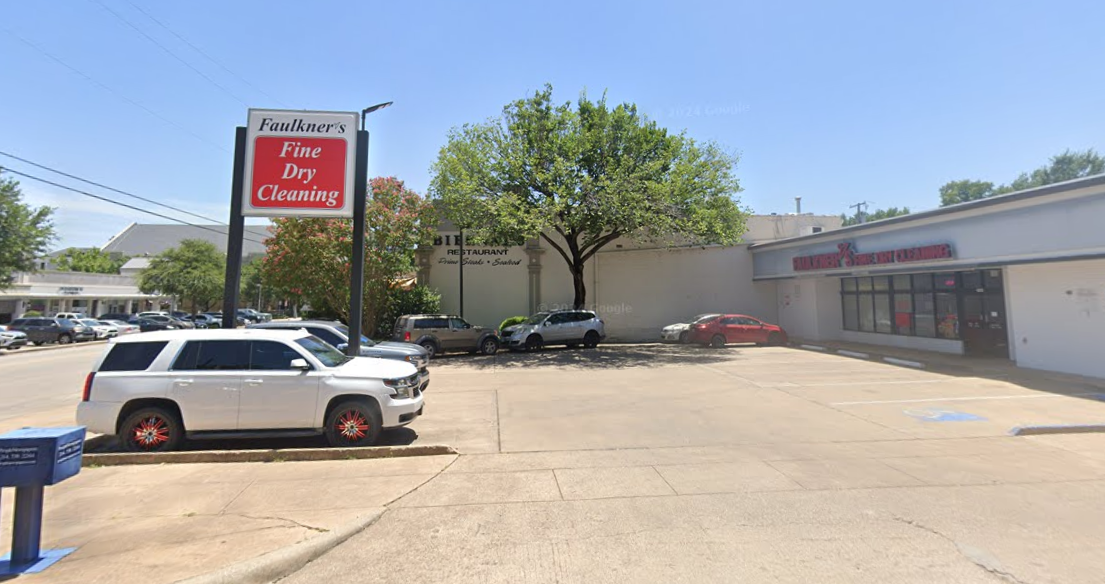
Asking What Happens Between Drop-Off and Pickup
According to Faulkner's Dry Cleaning and Laundry, one of the first questions a customer should ask is what happens to clothing between drop-off and pickup.
A dependable dry cleaner should be able to explain the full process clearly. This typically includes intake inspection, individual tagging, fabric-appropriate cleaning, finishing, quality checking, bagging, and storage until pickup.
During intake, garments should be inspected for existing stains, damage, missing buttons, or delicate details before any cleaning begins. Individual tagging helps ensure items do not get mixed with another customer's order. Cleaning should then be based on the fabric type, garment construction, and condition of each item.
After cleaning, garments should be pressed, steamed, reshaped, and checked for quality before being packaged. Faulkner's Dry Cleaning and Laundry explains that if a cleaner cannot clearly describe this process, it may indicate inconsistent procedures or outsourced cleaning that customers have no visibility into.
Understanding How Difficult Stains Are Handled
Faulkner's Dry Cleaning and Laundry also advises customers to ask how a cleaner handles stains that may not come out fully.
Experienced cleaners know that some stains, including set-in grease, old red wine, and certain inks, may not be completely removable. A trustworthy provider should be honest at intake if the chances of complete removal are low and should give the customer the option to proceed.
The company notes that a confident promise to remove any stain can be a warning sign. Honest communication, especially when results are uncertain, shows respect for the garment and for the customer's time.
Reviewing Turnaround Times and Delay Communication
Turnaround time is another important part of evaluating a dry cleaning service. Many cleaners offer a standard window of 24 to 72 hours, but Faulkner's Dry Cleaning and Laundry emphasizes that the more important question is what happens if that timeline changes.
Delays can happen when equipment breaks, staffing changes, or a garment needs additional care. A reliable cleaner should call or text the customer before pickup if an order will not be ready on time.
Faulkner's Dry Cleaning and Laundry explains that proactive communication helps customers avoid wasted trips and gives them confidence that their garments are being tracked and handled responsibly.
Asking About Damage or Loss Policies
Customers should also ask about a cleaner's policy if a garment is damaged or lost. Faulkner's Dry Cleaning and Laundry recommends asking this question before leaving any valuable item.
A legitimate dry cleaner should have a documented claims process. This process should explain how and when to file a claim, how a damaged garment is valued, and what the resolution timeline looks like.
The company explains that statements such as "do not worry, we are careful" are not a substitute for a written policy. While careful handling is essential, customers also deserve a clear process if something goes wrong.
Looking at the Pressing and Finishing Area
Faulkner's Dry Cleaning and Laundry encourages customers to ask whether they can see where garments are pressed and finished. A cleaner with nothing to hide should be comfortable giving customers a look at the finishing area.
Customers should look for current equipment, organized garment racks, and a clean workspace. Pressed and finished garments should be stored neatly rather than crowded together or left in a cluttered area.
A professional finishing area can say a lot about the standards used throughout the business. If the back area does not match the polished front counter, customers may want to ask more questions before leaving delicate or high-value garments.
Considering Employee Experience and Staff Consistency
Employee tenure is another important sign of reliability in dry cleaning. Faulkner's Dry Cleaning and Laundry explains that dry cleaning is a hands-on craft that improves with time, repetition, and experience.
Pressing, spotting, and handling delicate fabrics all require trained judgment. Consistent staffing can lead to more predictable quality because the same experienced team members handle garments over time.
Long-term employees also develop institutional knowledge. They learn how to recognize fabric types, understand the equipment, catch potential problems early, and take ownership of the work being done.
Comparing Reliable Answers With Red Flags
Faulkner's Dry Cleaning and Laundry recommends that customers listen closely to how a cleaner answers basic reliability questions.
When asked what happens to clothing after drop-off, a good answer should include a clear step-by-step process. A vague response such as "we just clean them" may suggest a lack of structure.
When asked about stains, a reliable cleaner should provide an honest upfront assessment. A promise to remove every stain without any caveats may be unrealistic.
When asked about turnaround time, customers should look for a specific time window and proactive communication if delays occur. Vague answers or no delay policy can be a red flag.
When asked about damage or loss, a trustworthy cleaner should be able to explain a documented claims process. General reassurance is not the same as accountability.
When asked about staff experience, a reliable cleaner should be able to speak confidently about employee tenure, training, and consistency.
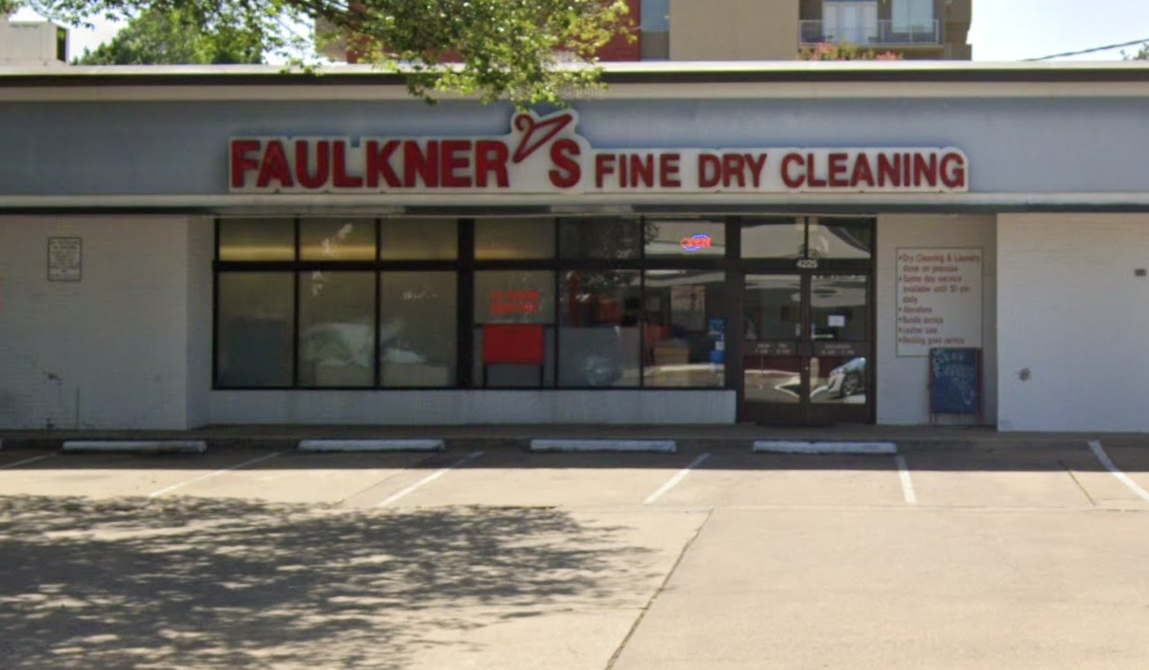
Faulkner's Dry Cleaning and Laundry Answers These Questions Openly
Faulkner's Dry Cleaning and Laundry has served Dallas families and professionals since 1954 with a focus on consistent results, honest communication, and careful garment handling.
The company offers eco-friendly dry cleaning with Ecosolve, same-day turnaround, and free pickup and delivery service to make garment care safer, easier, and more dependable for busy schedules.
Faulkner's Dry Cleaning and Laundry encourages Dallas customers to choose a dry cleaner that can clearly explain its process, communicate honestly about stains and delays, provide a documented claims policy, maintain a clean finishing area, and rely on experienced staff.
Customers can contact Faulkner's Dry Cleaning and Laundry or schedule dry cleaning and laundry services online.
Quick Contact Guide
Faulkner's Dry Cleaning and Laundry - Oak Lawn
4225 Oak Lawn Ave
Dallas, TX 75219
United States
Phone: +1 213-306-3125
Hours:
Monday - Friday: 7:00 AM - 6:00 PM
Saturday: 8:00 AM - 5:00 PM
Sunday: Closed


Contact Information:
Faulkner's Fine Dry Cleaning
1505 W Davis St, Dallas, TX 75208, USA
Dallas, TX 75208
United States
Tom Faulkner
https://faulknerscleaners.com/
Original Source: https://faulknerscleaners.com/what-to-look-for-in-a-dry-cleaning-service-dallas/

