
Elite Tree Service shares guidance for Phoenix homeowners on helping trees recover after extreme summer heat, including why heavy pruning should often wait until a tree regains strength. The guidance addresses a common situation: a tree keeps declining even after a homeowner follows a routine, such as fertilizing trees in Arizona, because standard nourishment doesn't always address the underlying cause of heat damage. It outlines the warning signs of heat stress, the watering and mulching adjustments that support recovery, and when a professional assessment becomes useful.
Heat stress can show up in several ways, and the changes often develop gradually. Browning leaf edges, in which the outer edges of leaves become dry and brittle, are a common sign. Persistent wilting, where foliage stays limp despite routine irrigation, may also indicate a problem. Other changes include early leaf drop, when leaves fall before the tree’s usual seasonal shedding, and new leaves that are noticeably smaller than those from previous seasons. Any of these changes may warrant a closer look by a professional.
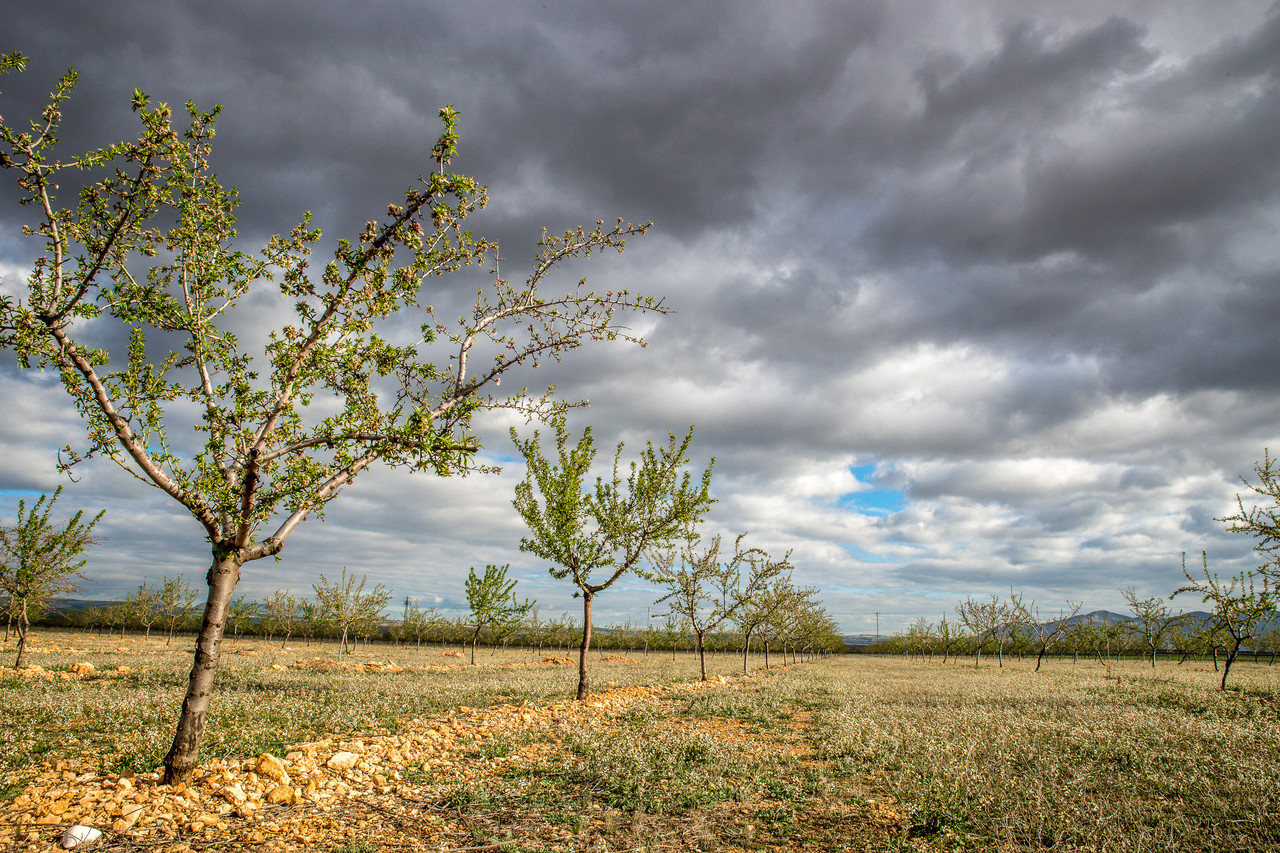
Homeowners often adjust watering first, but the guidance notes that surface conditions can be misleading. Dry topsoil doesn't always mean deeper soil needs water, and prolonged saturation can harm roots. For deep watering, a soaker hose or drip system should release water slowly enough to soak the root zone without runoff. For established trees, irrigation should reach the canopy edge and beyond, not concentrate beside the trunk. Species and soil conditions help determine irrigation frequency, and a tree's age also affects its needs. Reflected heat from pavement can increase stress.
Homeowners can also apply organic mulch to help save trees from heat stress by conserving moisture and moderating soil temperature. Mulch should cover the surrounding soil evenly, with a gap around the trunk to prevent moisture buildup against the bark. Before adding material, homeowners should check the existing mulch layer and keep the total depth at about two to four inches. Mulch should stay on the surface, not be mixed into the soil.
The guidance emphasizes the timing of pruning. Healthy leaves in the tree canopy produce sugars that support recovery, and removing too much living growth reduces that energy supply. Heavy thinning can also expose previously shaded branches to intense sunlight. For these reasons, routine shaping should wait until the tree’s condition improves and the timing is suitable. Damaged or unstable branches are an exception, since they need professional evaluation even while routine pruning is postponed.
If decline continues despite care adjustments, the guidance recommends requesting an arborist’s assessment. An arborist can check for irrigation issues or pests that resemble or compound heat damage, and the findings help guide care recommendations. Some affected trees may not recover, which is why an accurate diagnosis matters before applying additional treatment.
The guidance also outlines steps to reduce tree stress before the next hot season. For new plantings, homeowners should choose heat-tolerant species suited to the site and available space. Checking irrigation equipment before temperatures rise can reveal blocked emitters or leaks. Dated photographs taken throughout the season can help track changes and give an arborist useful context if concerns develop.
Elite Tree Service provides tree health assessments and seasonal care for Phoenix homeowners. The company’s certified arborists recommend measures based on each tree’s condition and growing environment. Elite Tree Service also offers pruning and irrigation system repair to support ongoing maintenance.
###
For more information about Elite Tree Service , contact the company here:
Elite Tree Service
Donna T.
(480) 386 1196
service@elitetreeaz.com
17609 N 52nd Ln, Glendale, AZ 85308, United States

